
What Causes Low Water Pressure in Your Home?
September 29, 2026
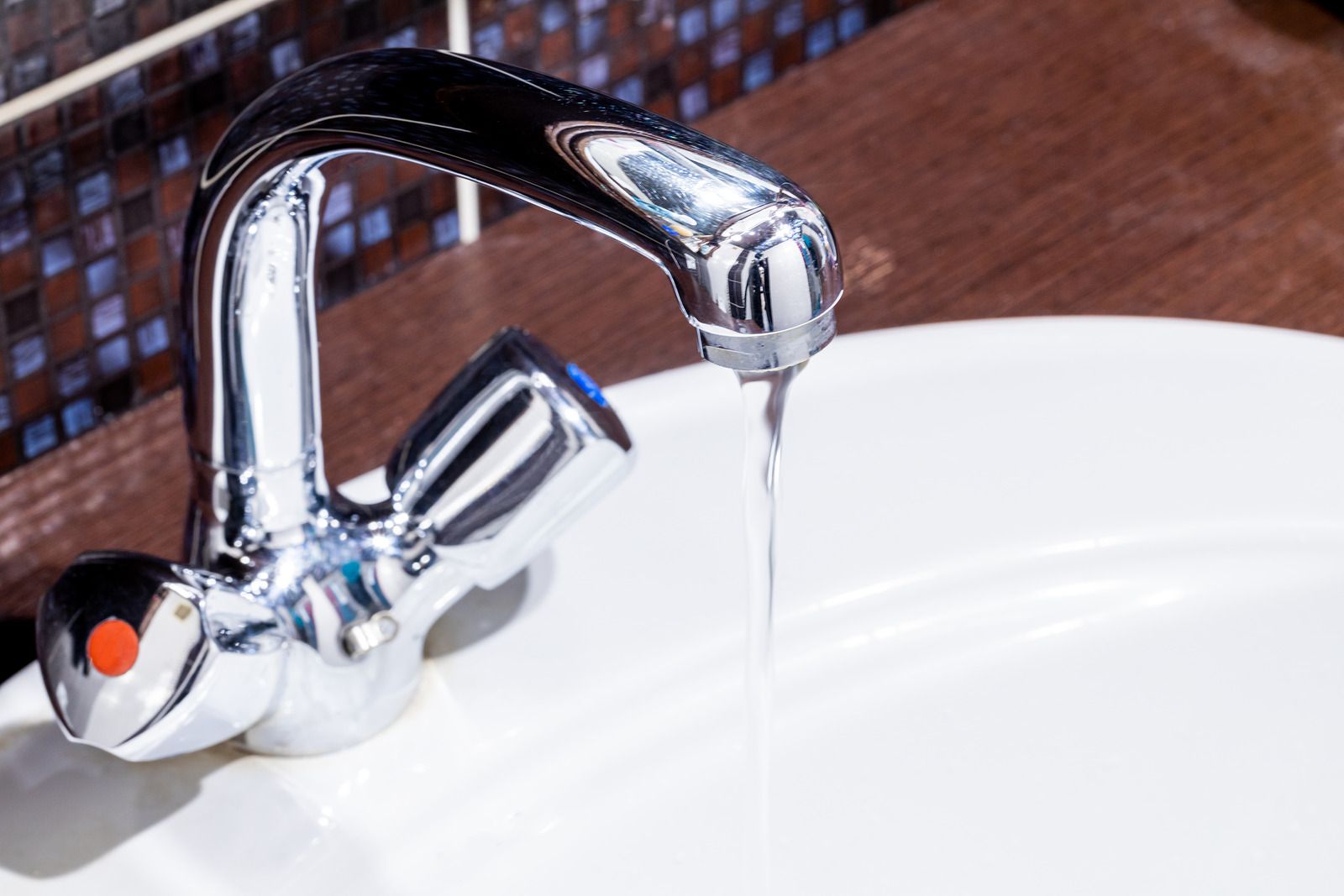
Low water pressure almost always comes down to one of five things: a failing pressure-reducing valve, a main or meter valve that isn't fully open, corroded galvanized pipe narrowing the line from the inside, a problem on the municipal supply side, or buildup clogging an individual fixture.
Turn on the shower and the water dribbles instead of flowing. Fill a pot at the kitchen sink and it takes twice as long as it should. If that sounds familiar, you're dealing with one of the most common complaints in Pittsburgh's older housing stock, and the frustrating part is that low water pressure can come from half a dozen different places in your plumbing system. Some are a five-minute fix. Others mean a section of pipe has been quietly failing for years.
The good news is that these causes tend to leave different fingerprints. Where the pressure drops, how suddenly it happened, and whether it's affecting one tap or the whole house all point toward a specific cause. A drop that hit every fixture overnight points somewhere different than one that's been creeping up for two years, and a problem confined to a single sink rules out most of what could be wrong with the rest of the house. Here's what's actually behind weak water pressure and how each one shows up.
A Pressure-Reducing Valve That's Failing
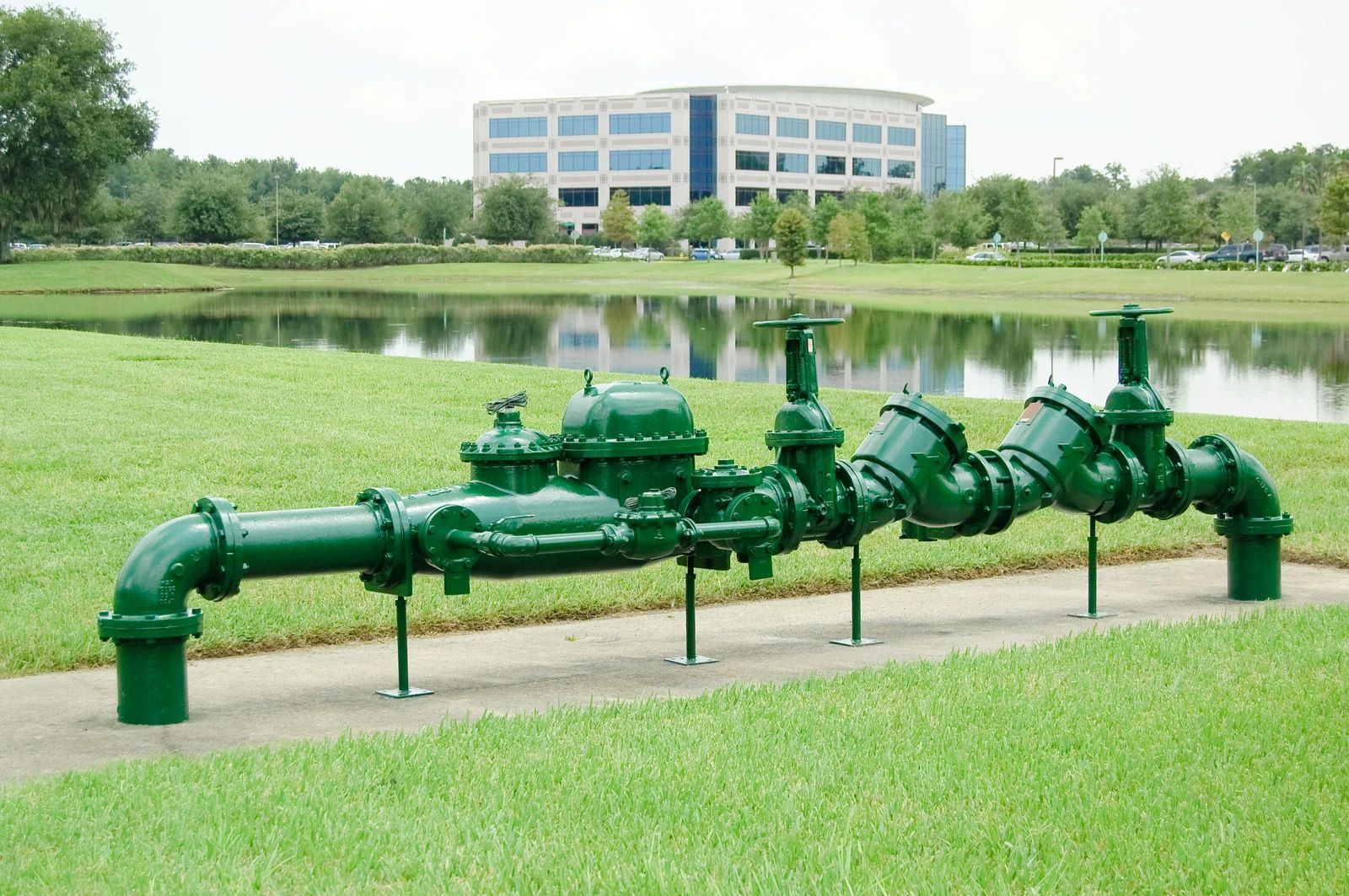
Most homes tied into a municipal water system have a pressure-reducing valve, usually mounted near the main shutoff or the meter, whose entire job is to knock incoming street pressure down to something your plumbing can handle. Water arrives from the utility at somewhere around 100 to 150 psi, but the pipes, fixtures, and appliances inside a typical house are built for a much narrower range, generally 50 to 70 psi. The PRV is the component standing between those two numbers every time you turn on a faucet.
Like any part with a spring and a diaphragm sitting in a constant flow of hard water, a PRV wears out. Sediment collects on the internal seat, mineral scale stiffens the diaphragm, and the spring that controls how far the valve opens loses tension over years of use. Most units last somewhere in the 8 to 12 year range before performance starts to slip. When a PRV starts sticking closed, it throttles pressure to every fixture in the house at once, even though nothing else in your plumbing has changed.
This is one of the harder causes to spot on your own, because there's no leak, no stain, no obvious sign anything is wrong. The only real tell is a pressure gauge. Thread one onto an outdoor spigot or a washing machine hookup: a reading under 40 psi points toward a valve that's closing down too far, while anything over 80 psi suggests the opposite failure, a valve stuck wide open that's letting full municipal pressure straight into your home's plumbing.
Tip: A brass pressure gauge that screws onto a hose bib costs very little and takes the guesswork out of this. Test it first thing in the morning before anyone in the house has run water, since demand elsewhere on the block can pull the reading down temporarily.
A Main or Meter Valve That Isn't Fully Open
Before pressure ever becomes a mystery involving pipes or valves, it's worth ruling out the simplest explanation: a shutoff valve somewhere in the line isn't fully open. Every home has a main shutoff valve, usually a gate valve or ball valve near where the supply line enters the house, and there's typically a second valve at the meter itself. If either one got bumped, only partially reopened after work was done nearby, or was never turned back to fully open after a repair, it restricts flow to the entire house no matter how healthy the rest of your plumbing is.
Gate valves are the more common culprit here. The internal wedge that seals the valve can partially seize in an aging gate valve, especially one that hasn't been fully cycled open and closed in years, and it can settle in a position that looks open from the handle but isn't letting the full bore of the pipe flow through. This tends to show up right after any plumbing work, a water heater swap, a meter reading, a repair on the street, since those are the moments someone had a reason to touch a shutoff valve in the first place.
Finding the main shutoff and the meter valve and confirming both are turned fully to their open position takes a few minutes and rules out the cheapest possible cause before you start suspecting something more serious. On a gate valve, that means turning the wheel handle counterclockwise until it stops. On a ball valve, the handle should sit parallel to the pipe, not at an angle.
Corroded Galvanized Pipe Narrowing the Line
Homes built before the 1960s across neighborhoods like Mount Washington, Bloomfield, and older sections of McKeesport and Carnegie were commonly plumbed with galvanized steel. The zinc coating on that pipe was meant to protect the steel underneath, but it wears away with age, and once it's gone, the exposed steel starts to rust and corrode from the inside. Add decades of mineral scale from Pittsburgh's moderately hard water on top of that corrosion, and the interior channel of the pipe keeps narrowing, sometimes down to a fraction of its original diameter, even though the outside of the pipe looks completely normal.
The result isn't a sudden pressure drop, it's a slow squeeze that builds over years. A pipe that once delivered a full, even flow gradually restricts more and more of it, and because the change happens gradually, a lot of homeowners don't notice how bad it's gotten until they compare it to a neighbor's house or a newer fixture that suddenly makes the old ones feel worse by comparison. Galvanized pipe typically holds up for 40 to 50 years before corrosion catches up with it, and a meaningful share of homes in Allegheny County are well past that mark on their original supply lines.
Corrosion inside a pipe doesn't reverse itself, and there's no product that safely clears scale from inside a pressurized supply line the way a drain cleaner clears a clogged trap. Once a run of galvanized pipe has narrowed enough to restrict flow, the only real fix is replacing that section, or more often, repiping the affected run in copper or PEX. A plumber can often get a rough read on how far along the corrosion is without opening a wall, by comparing the flow at a fixture close to the meter against one at the far end of the house, since the pipe running the longest distance through the oldest section of the system is usually the first to show a real difference.
Warning: Don't pour a chemical drain-clearing product into a supply line hoping it will dissolve internal buildup. Those formulas are made for drain traps, not pressurized water lines, and using them this way can damage fixtures, valves, and your water heater.
A Problem on the Municipal Side
Sometimes the cause has nothing to do with anything inside your walls. Allegheny County's water infrastructure is old by national standards, and Pittsburgh's water utility maintains hundreds of miles of water mains with an average age well past 60 years, a meaningful share of it installed before 1920. That aging cast iron and steel network is more prone to breaks than a modern system, and a main break anywhere upstream of your property can drop pressure across an entire block or neighborhood until crews finish the repair.
Seasonal patterns make this more likely at predictable times of year. Winter freeze-thaw cycles shift the soil around buried mains, which can crack or bend older sections of pipe. Summer brings the opposite stress, with peak demand from irrigation, pool filling, and general household use across a whole service area pulling pressure down system-wide during the hottest, driest stretches. Routine utility work, like a valve replacement or a hydrant flush a few streets over, can also cause a short, localized dip that has nothing to do with your plumbing at all.
The way to tell a municipal issue apart from a house-side one usually comes down to timing and scope. If the drop happened suddenly, if neighbors are reporting the same thing, or if you notice utility crews working nearby, the cause is very likely upstream of your meter and should resolve once repairs wrap up. A gradual decline that's been building for months, with nobody else on the block mentioning it, points back to something inside your own home.
Buildup Clogging an Individual Fixture
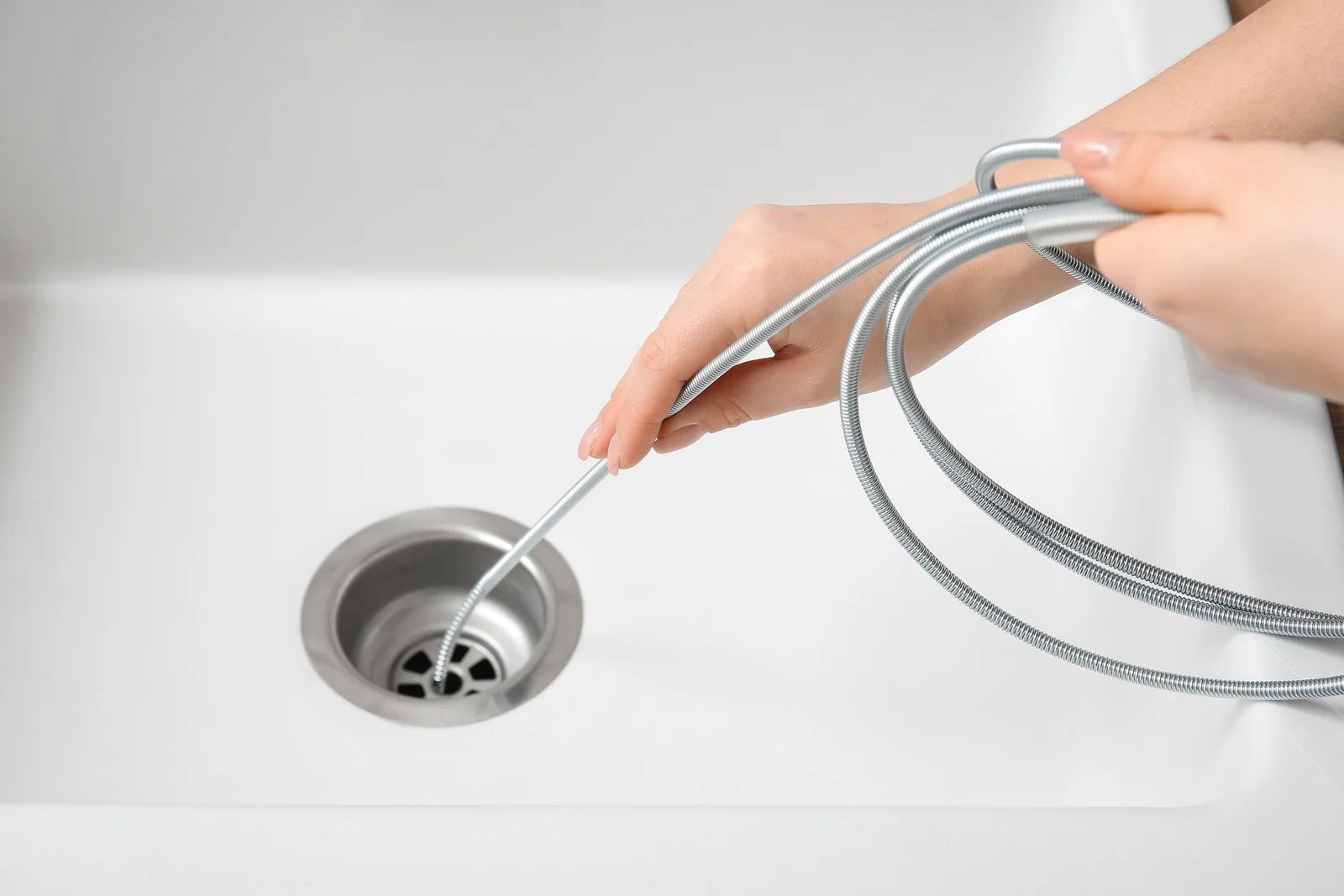
Not every pressure complaint is a whole-house problem. If one showerhead or one faucet is weak while everything else in the house runs fine, the cause is almost always local to that fixture rather than anything upstream. Aerators and showerheads have small mesh screens that trap sediment and mineral flakes, and over time those screens clog enough to choke off flow at that one point even though the supply line feeding it is perfectly healthy.
The same thing happens inside the cartridge or valve body of an older single-handle faucet, where scale builds up around the moving parts and restricts how far water can pass through. This is the easiest cause on this list to rule out: unscrew the aerator or showerhead, rinse or replace the screen, and see whether flow returns to normal. If it does, the problem was never about your home's pressure at all, just one clogged fixture.
Narrowing It Down
A little observation before calling anyone will point you toward the right answer faster than guessing. Note whether the weak pressure affects one fixture or every tap in the house. Check whether it happened suddenly or crept up over months. Confirm the main and meter valves are fully open. If you have access to a pressure gauge, test the actual psi at an outdoor spigot. And a quick check of your water utility's service alerts, or a call to a neighbor, can rule a municipal issue in or out in a couple of minutes.
None of these causes are things you're expected to diagnose with total certainty on your own, especially since a tired PRV and early-stage pipe corrosion can produce nearly identical symptoms from where you're standing. What matters is narrowing the list before assuming the worst, or just as costly, assuming the problem will resolve on its own.
Frequently Asked Questions
What water pressure is considered too low for a home?
Most residential plumbing runs well between 50 and 70 psi. A consistently low reading below 40 psi at an outdoor spigot or washing machine hookup warrants investigation, even if individual fixtures still technically produce water.
How can I tell a PRV problem from a corroded pipe problem?
A pressure gauge separates them. PRV issues show readings outside the normal 50 to 70 psi range equally. Corroded galvanized pipe shows gradual decline over months and traces to specific runs rather than the house.
Will closing and reopening the main valve fix a partially closed valve?
Sometimes. Fully closing an aging gate valve and reopening can free a stuck wedge, but risks complete failure on worn valves. If original and decades old, having a plumber check it beats forcing it yourself.
Can hard water really narrow a pipe enough to cause noticeable pressure loss?
Yes, particularly in galvanized steel pipe where mineral scale builds on rust rather than clean surface. In copper or PEX lines the effect is smaller, showing at aerators and showerheads more than inside the pipe itself.
Is low water pressure ever a plumbing emergency?
Low pressure alone isn't an emergency, but signals something bigger like a failing valve or corrosion causing leaks. A sudden drop with running sounds, dampness, or water bill spikes warrants quick action rather than waiting.
Does a main or meter valve wear out on its own, or does it need to be touched to fail?
An aging gate valve seizes partially from mineral buildup on the wedge without anyone touching it. More commonly one reopens partly after work, but valves never cycled in thirty years settle short of fully open.
What's Actually Behind Your Water Pressure Drop
Low water pressure in an older home rarely solves itself. The five causes covered here account for nearly every pressure complaint that surfaces, and each leaves different clues about where the problem actually lives. A pressure gauge and a few minutes of observation narrow the possibilities from guessing game to informed assessment. Knowing whether the issue is upstream, inside your plumbing, or localized to a single fixture changes everything about what comes next and the actual cost of the solution.
Patrick David Plumbing
has spent 12
years
tracing pressure problems
through Pittsburgh, PA homes, from straightforward valve fixes to harder cases involving PRVs and corroded galvanized lines. Most homeowners try isolating the problem before calling, which saves both time and money. Understanding where your pressure dropped and how it showed up gets you to a real solution faster than waiting to see if the issue resolves on its own. That clarity is worth more than the cost of a diagnostic test.